Why the whole family should wear wool socks
Do you or someone in your family have cold feet? Take a look at the socks. If they are made of cotton, you should switch to wool socks straight away.
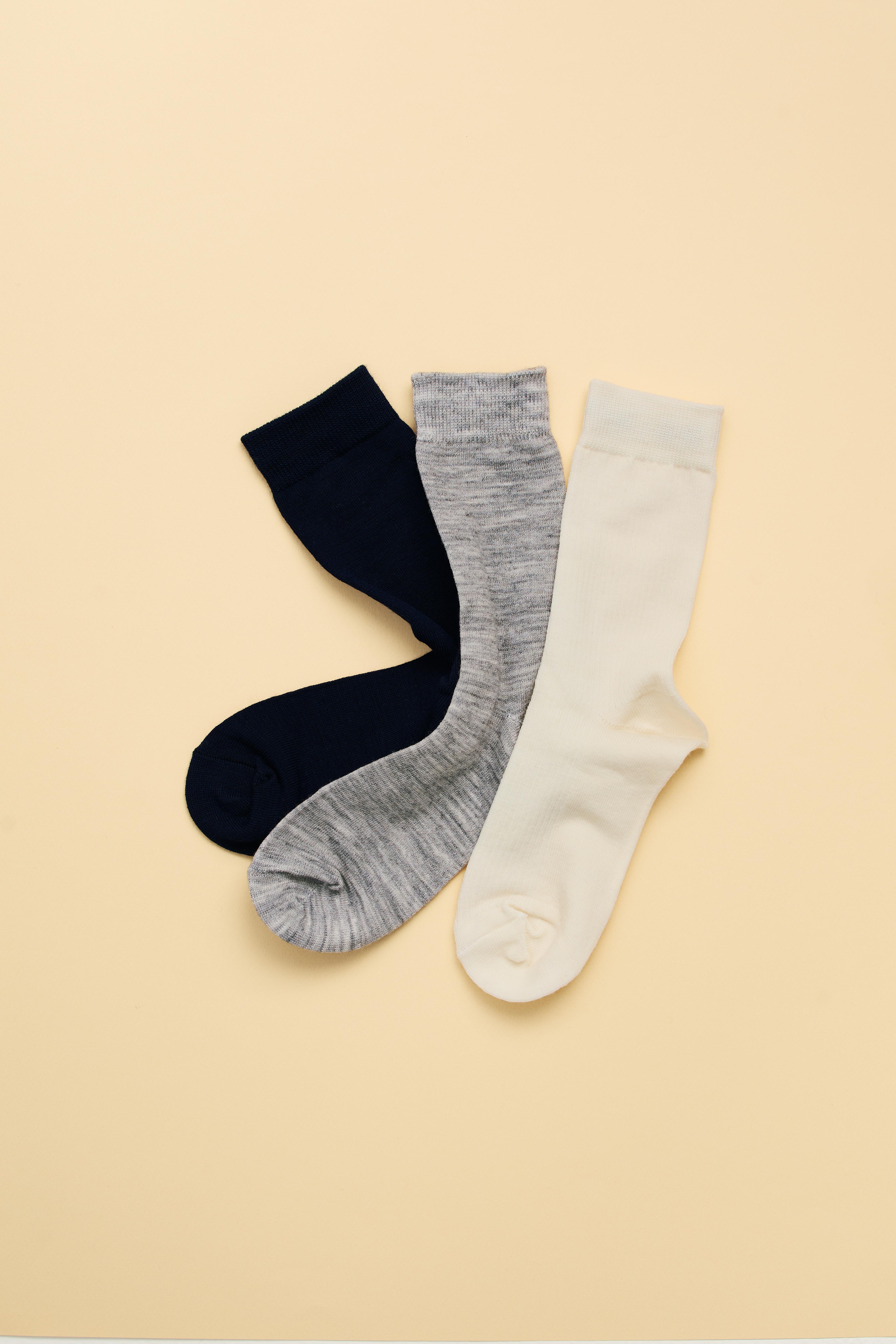
Nothing against cotton socks. Cotton is natural, it breathes and it is soft and comfortable. Cotton socks are perfect in spring’s new sneakers. But cotton socks in winter are the surest route to frozen blue toes, even in the best winter boots. Cotton socks give little insulation, and if they get wet they hang on the foot like a cold, damp rag. In the cold, wool socks are the answer, full stop. Especially closest to the skin, and especially on your feet.
Why are wool socks best in winter?
Wool socks insulate. The wool fiber is crimped and holds many small pockets of air, which traps and holds heat, and keeps feet happy.
Wool socks regulate temperature. Even though your feet stay good and warm in cozy wool socks, they rarely get TOO warm. Wool keeps you at just the right temperature.
Wool socks move moisture. Wet feet mean cold feet, and unlike cotton, wool draws moisture away from the skin and out into the outermost layer. Wool socks will also keep your feet warm even when they are wet. Wool can hold up to 30% of its own weight in liquid without feeling cold.
Wool is naturally water-repellent. Have you noticed how droplets bead on the outside of a wool sweater? If your wool socks do get a little wet from the outside, the fibers stop the water soaking all the way through to the skin and prevent the sock feeling sodden.
Wool is antibacterial. Wool socks can usually be worn more than once between washes and, as a bonus, they smell far less than other socks.
Wool dries quickly. Wool socks are not magic: if your child steps into a bog they will get soaked through (though their feet will still be warmer than in cotton). If the damage is done, you can at least take comfort in the fact that wool socks dry relatively fast.