10 facts about wool
Wool has almost magical status in Norway. “Wool closest to the skin” is a well-known mantra, and every fall wool underwear sits on the shopping lists of families across the country, as naturally as milk and bread.
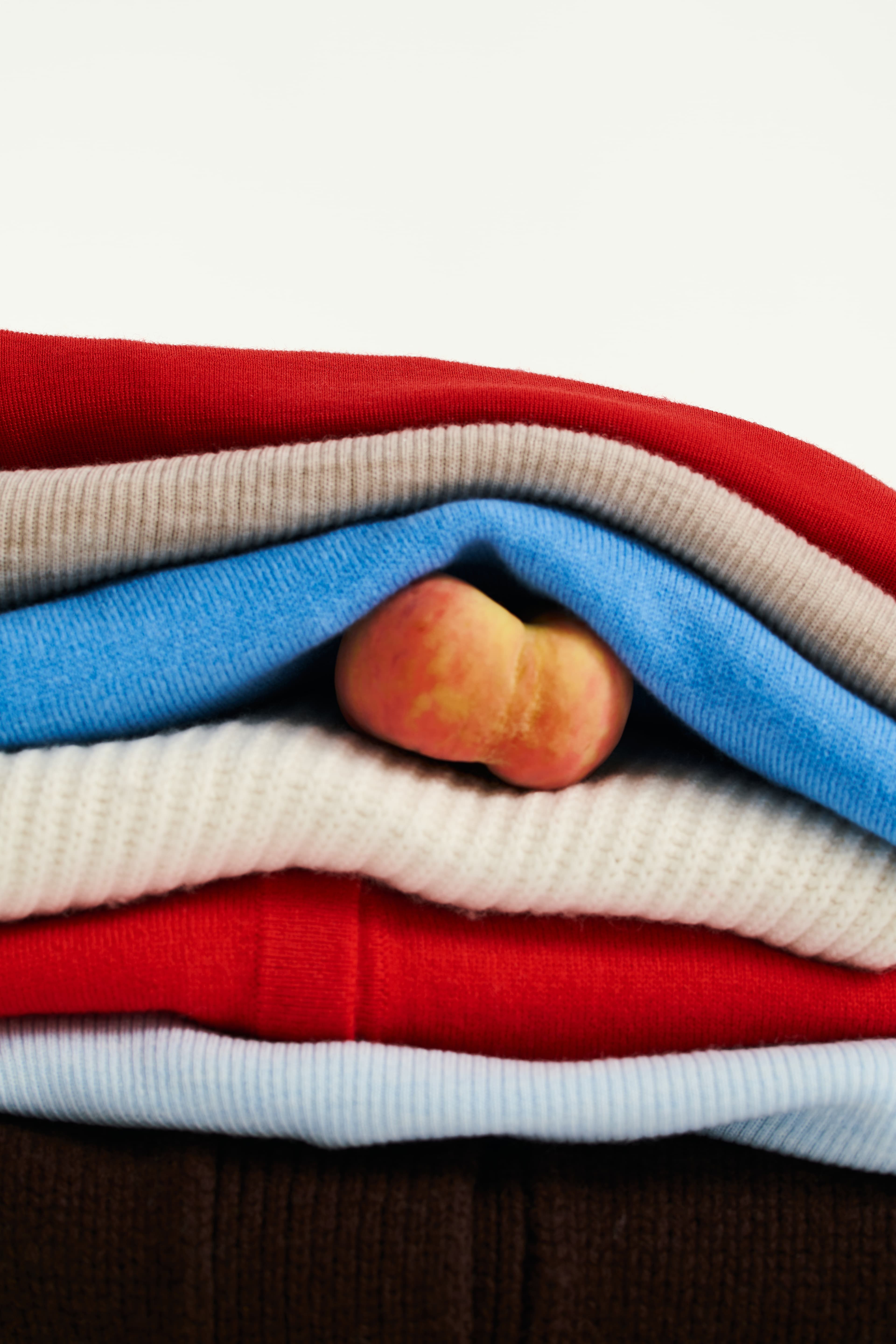
While our European neighbors barely use wool at all, we have a fond and sentimental relationship with it, with long traditions. After a detour into synthetic base layers in the 1980s we have thankfully come to our senses again, because nothing beats wool, least of all in our Nordic climate, with sub-zero temperatures, howling wind and constantly changing weather.
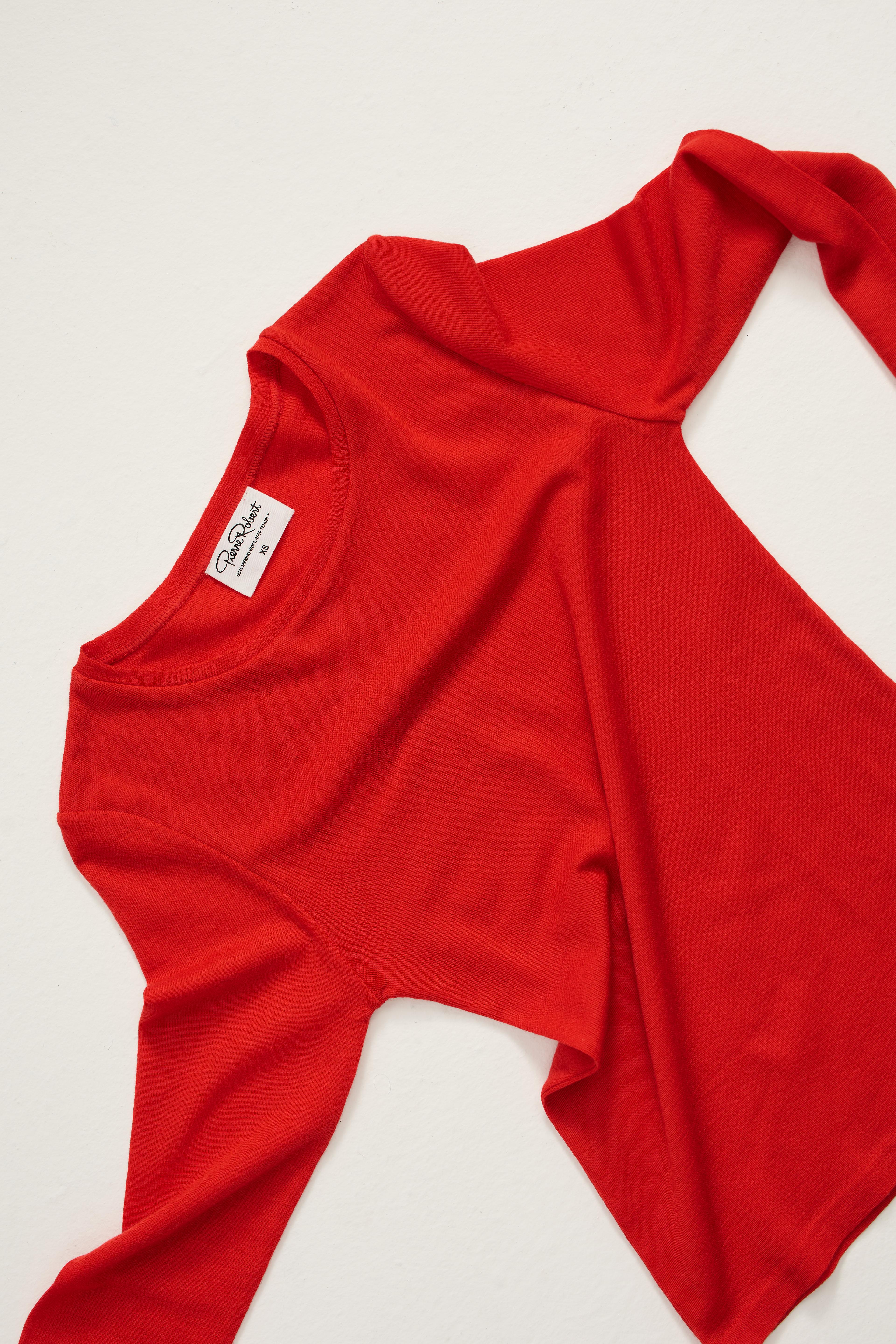
For the last 20 years the nursery uniform has been wool long johns and a top, and merino wool has long since moved from the world of winter sports into fine base layers for everyday wear. Wool is a must-have in winter, and thin merino can in fact be worn all year round. Whether you feel the cold or not. Everyone should have wool underwear in the closet. But… what is it that is actually so good about wool?
Wool facts
Wool is 100% renewable and natural. It sheds no microplastics, and although sheep do have a climate footprint, wool does not require the extraction of oil the way synthetic garments do.
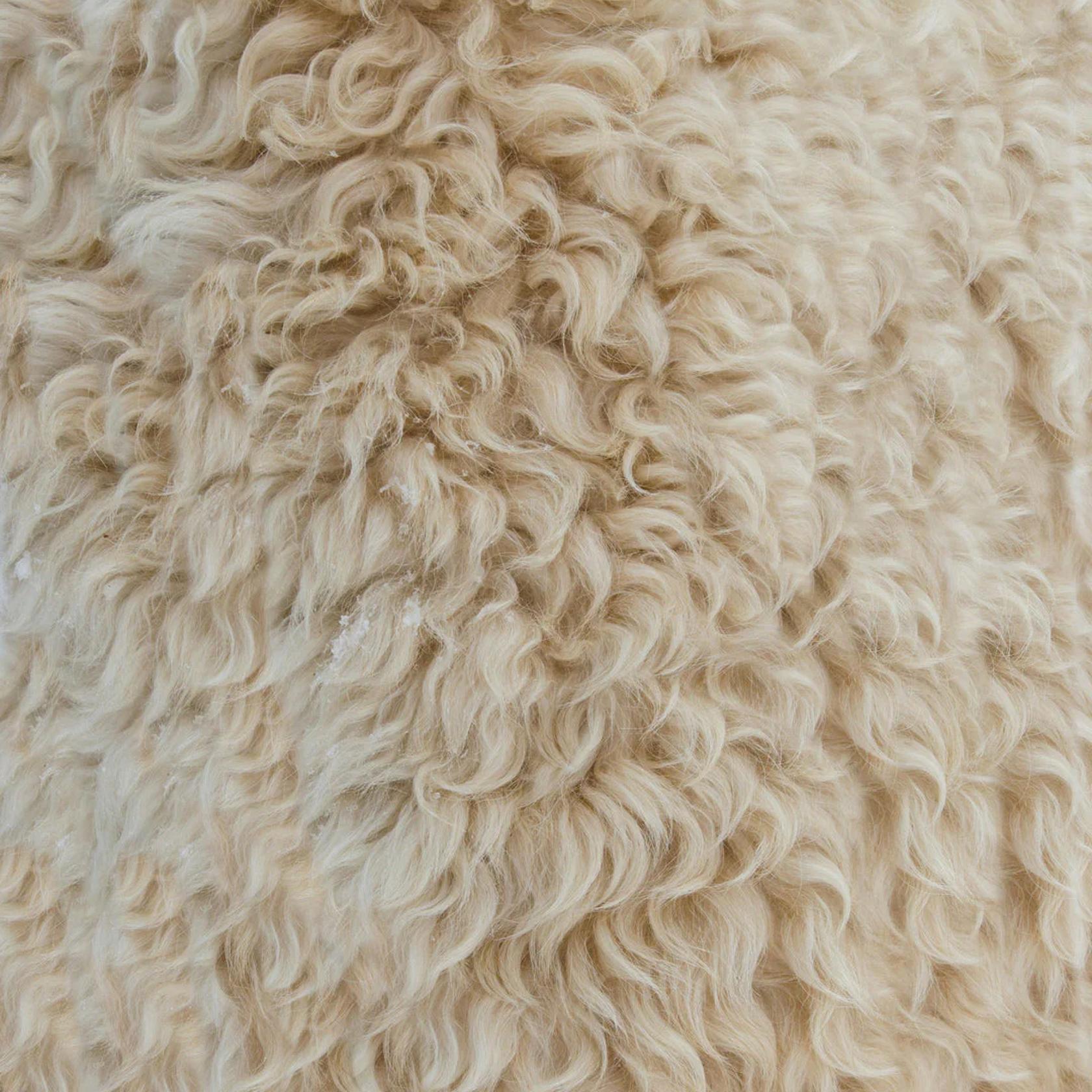
The quality of wool is determined by, among other things, the breed of sheep, where on the animal the wool comes from and when it was shorn. Merino wool has longer, finer fibers than other types of wool, and you will notice that merino garments feel light and soft against the skin. The fibers are more elastic than ordinary wool fibers and hold their shape better.
Wool can hold a great deal of moisture without feeling wet, and moves moisture away from the skin. In winter it is therefore an advantage to wear wool closest to the skin and on your feet. If you get sweaty, the moisture is carried away from the skin and out into the outermost layer, so you do not feel clammy or start to get cold. Wool will also keep you warm even when it is wet, and can in fact warm you more. Put a thermometer into a damp tuft of wool and the temperature will rise, and in the old days fishermen dipped their wool mittens in the sea to stay warm.
Wool is self-cleaning and relatively easy to keep clean. It does not need washing often, and can be aired rather than put in the wash.
Wool is elastic, holds its shape well and creases very little. If a garment has shrunk, you can in many cases stretch it back into shape.
Norwegians have a distinctive relationship with wool. In other European countries, including Sweden, wool is nowhere near as popular. A study carried out by SIFO in 2012 shows that the average English family owns less than a third as many wool garments as the average Norwegian family (SIFO: Valuing Norwegian Wool 2012).
93% of all Norwegian parents dress their baby in wool (Ipsos MMI 2012).
Wool is temperature-regulating, and handles both cold and heat. In winter it has an insulating effect, while thin wool garments can be worn all year round.
Wool is naturally flame-retardant. Wool underwear is therefore often worn beneath protective clothing. Unlike wool, synthetic garments ignite easily, and we recommend that all children (and adults!) who are going to be near an open fire dress in wool, not synthetic fleece.
Wool has antibacterial properties. This prevents the smell of sweat and makes wool, and merino in particular, extremely well suited to underwear and socks. Wool bras and nursing pads are also good if you are breastfeeding, both to draw moisture away from the skin and to help prevent infection.