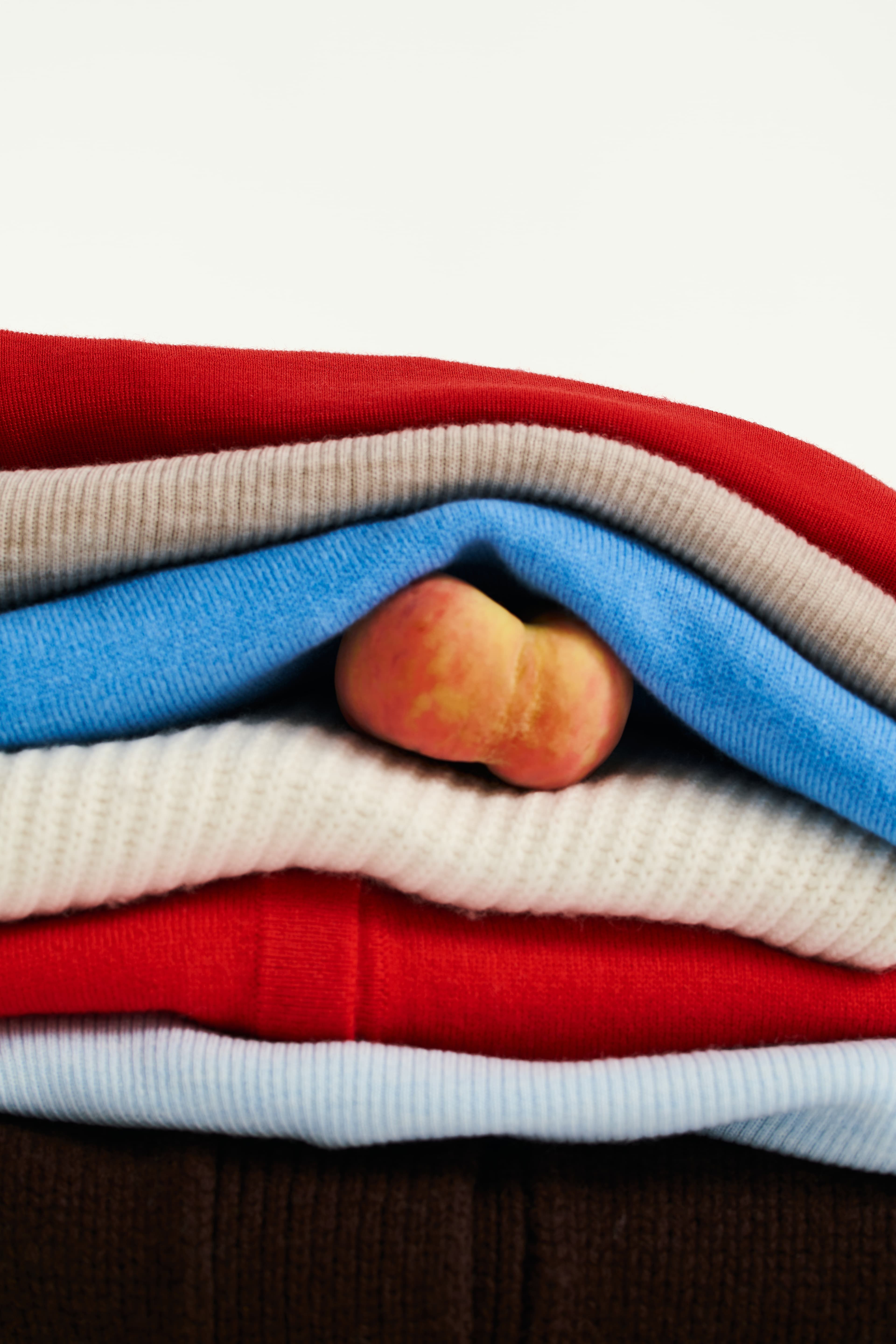
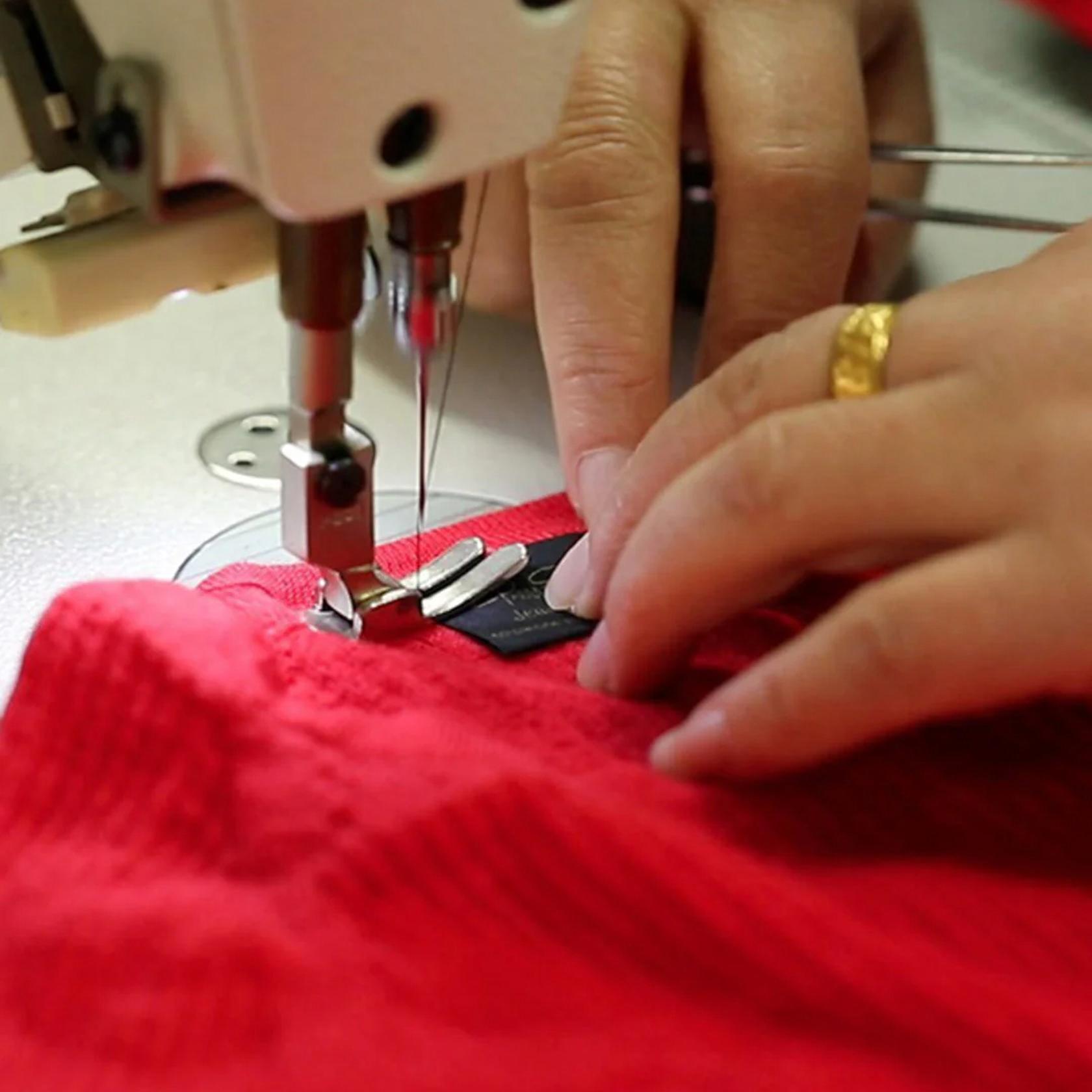
This is merino wool, and why we love it
Merino wool is one of our finest natural materials, with genuinely unique properties that make it the superhero of textiles. Here is why merino garments deserve a permanent place in your wardrobe.
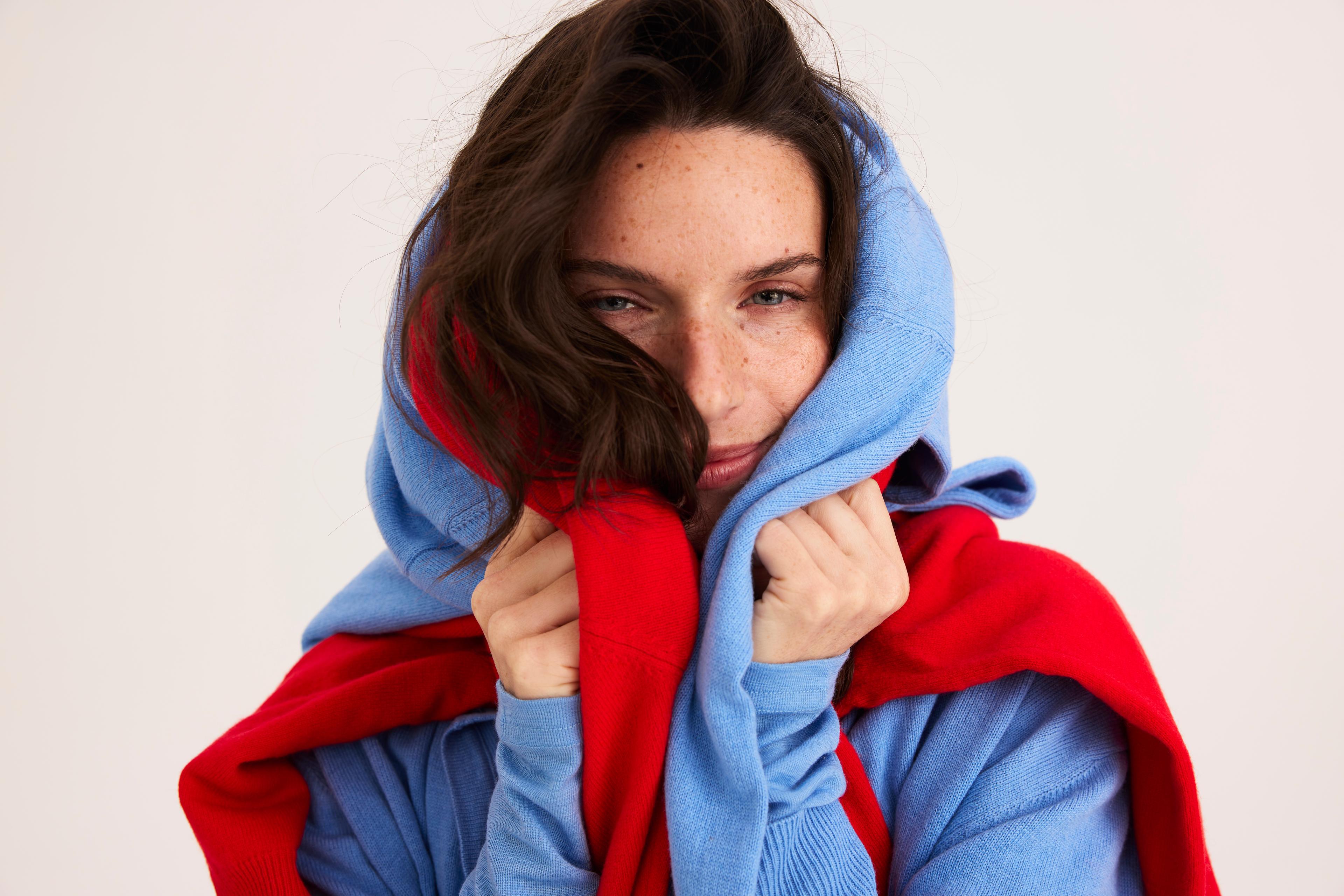
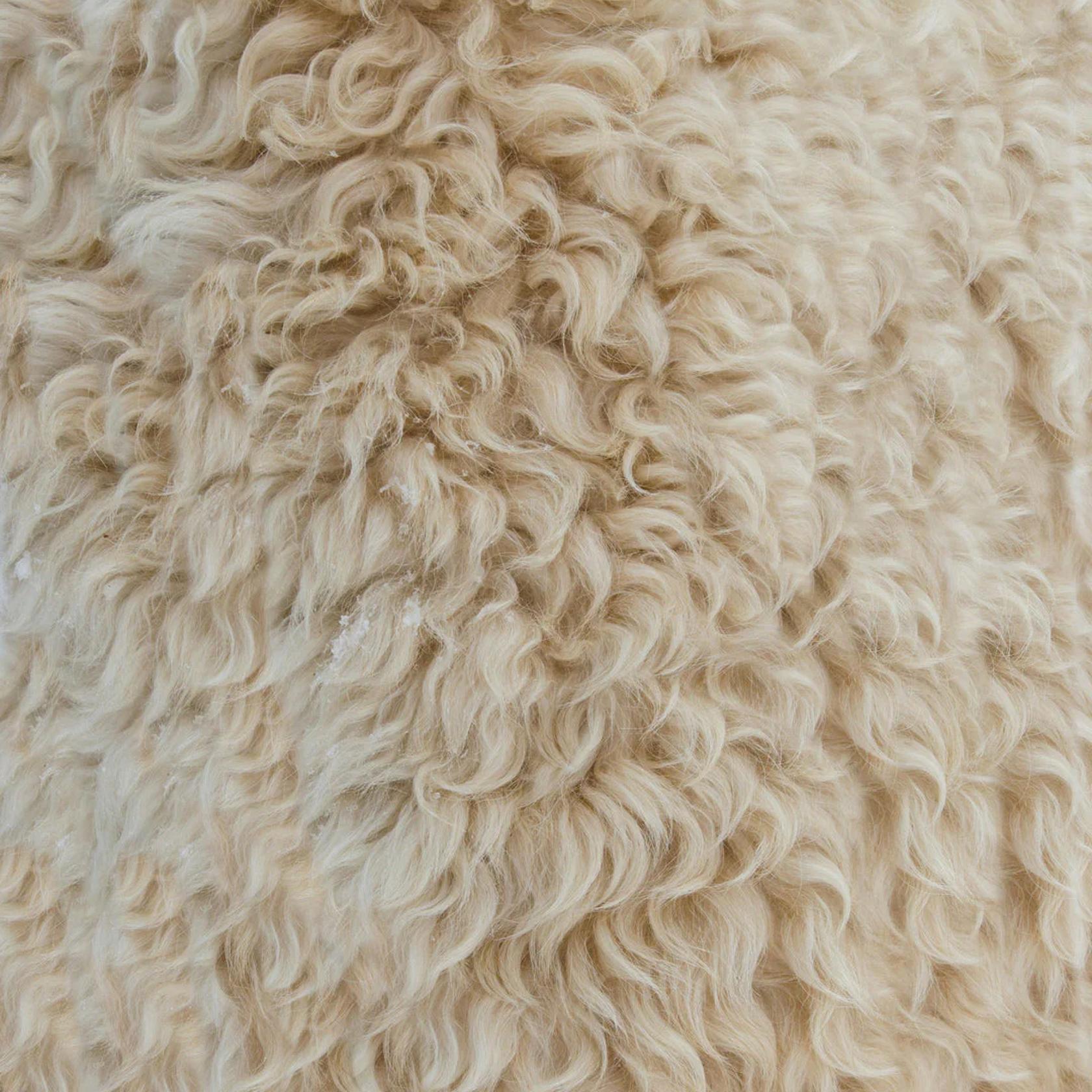
What is wool, and what makes merino special?
Wool is a natural fiber made up of hair from animals such as sheep, goats, llamas, alpacas, camels and rabbits. Like our own hair, wool fibers have scales that can hold both air and water, and this is exactly what makes wool unique. Wool fibers are also crimped, and therefore elastic.
How soft wool feels depends among other things on the thickness of the fiber and how scaly or coarse its surface is.
Merino wool has finer, smoother fibers than, for example, standard Norwegian wool. That makes merino feel soft and comfortable and suitable for wearing directly against the skin. Norwegian wool has a coarser, more prickly surface (think traditional knitted sweaters) and is therefore poorly suited to underwear, but perfect as a second layer.
Six reasons to love merino wool
Merino wool can be worn against the skin. Wool insulates, and is particularly effective without an intermediate layer of another material. You notice the difference immediately if you swap cotton socks for merino ones when it is cold.
Wool absorbs moisture, and merino underwear draws sweat and damp away from the skin and out into the outer part of the garment. This stops you feeling wet and starting to get cold.
Wool can in fact warm you more when it is wet. A reaction occurs that releases heat, and if you put a thermometer into a damp tuft of wool the temperature rises by several degrees. Merino socks are a good idea if your feet get wet.
Wool is self-cleaning and antibacterial, prevents unpleasant odours, and can be aired rather than washed.
Merino creases very little and rarely needs ironing. Perfect for traveling.
Wool is flame-retardant, unlike synthetic materials, which ignite easily. Merino underwear is therefore worn together with protective clothing.
Where does Pierre Robert’s merino wool come from?
Merino wool comes almost exclusively from warm climates. Merino sheep can live in Norway, but they then produce a different quality of wool with thicker fibers than merino sheep living in warm countries. Pierre Robert’s wool comes mainly from South Africa, though we sometimes buy mulesing-free wool from Australia.
What about wool and animal welfare?
At Pierre Robert we care that everyone who produces clothing for us, both people and animals, is well treated. All our suppliers must comply with our Code of Conduct, which contains its own chapter setting strict requirements for good animal welfare. We do not accept animal cruelty, and among other things we buy only certified, mulesing-free wool.
Is wool sustainable?
No new clothes are sustainable. The most sustainable thing is not to make them. But there are several reasons why we believe wool is a better choice than many other materials, once we are making new clothes at all.
A garment’s life cycle consists of several stages that can each have an environmental impact: production of the raw material, textile production itself and the chemicals that go with it, washing the garment while it is in use, how many times it is worn, how long it lasts, and how it is finally disposed of.
Wool comes from a renewable source and is a natural material that breaks down completely at the end of its life. Wool requires less water at the raw material stage than cotton, for example, and because wool is naturally self-cleaning and antibacterial, wool garments also go longer between washes than other clothes. Wool garments can often be aired instead of washed. Machine washing is one of the most energy-intensive stages of a garment’s life cycle, so wool requires far less energy during the use phase than garments made of other materials. Wool also lasts a long time, is easy to repair and is often handed down.
Wool can be produced with relatively few chemicals, and all garments are made in line with our chemical requirements, which follow the EU’s REACH regulation or stricter. Hazardous and environmentally harmful chemicals must not be used, and chemicals must not be discharged into water or waterways. The chemicals used in producing our wool garments are reduced to a minimum and relate to washing the wool, dyeing and the finishing that stops the garment shrinking. Over 95% of our wool also carries the Nordic Swan Ecolabel, a mark of assurance showing that no harmful chemicals have been used, and that the garment has been made with care for people, animals and the environment at every stage.
It is possible to recycle wool, but organized collection of textiles for recycling is still not widespread in Norway. Whole garments that others could use should be handed in for reuse at, for example, Fretex, UFF or a recycling station in your local area.
Why does wool itch?
It is the thickness of the wool fiber that determines whether wool itches. This is measured in microns, and the itch threshold for wool sits at 27 microns.
Standard Norwegian wool has a thickness of around 28 microns and upwards. This makes Norwegian wool extremely hard-wearing, and it is sought after for upholstery and carpets. Because it sits above the itch threshold it can itch if worn directly against the body, and most people wear traditional knitted sweaters as a second layer.
How much wool itches also depends on where on the body it is worn, and most people have a higher tolerance on their feet. Many of our socks are therefore made in a wool blend with wool thicker than 19.5 micron merino.